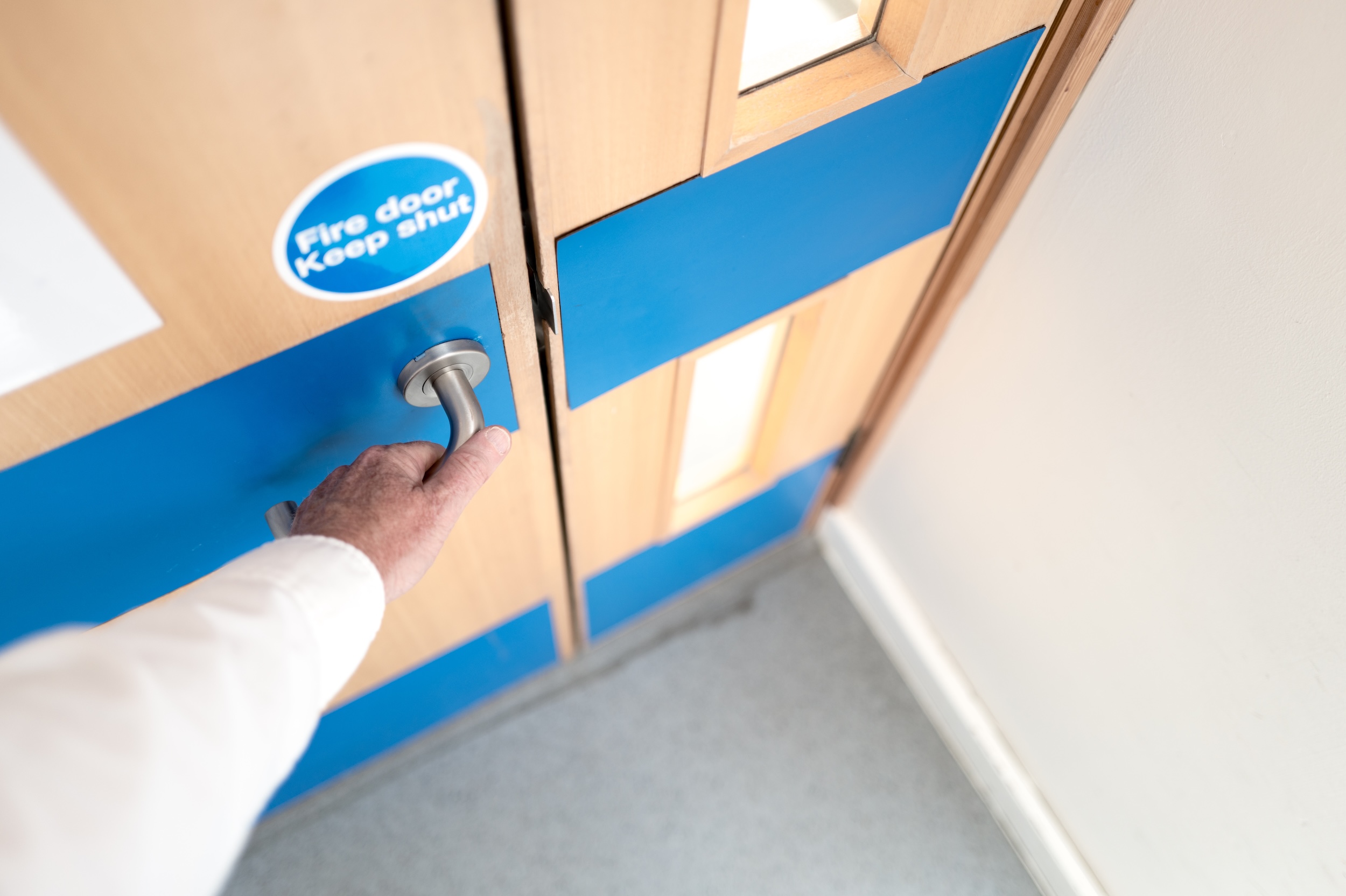
Fire door inspection and installation across Scotland's Central Belt
Fire door compliance for landlords, factors and facilities managers in Falkirk, Edinburgh, Glasgow, Stirling and the surrounding area.
What we do
Fire door inspection
Condition and compliance inspection of fire doors across your property or portfolio, with a written report you can put in front of an enforcement officer.
Find out moreFire door maintenance
Scheduled servicing to keep doors, seals, closers and hardware working as they were certified to.
Find out moreFire door installation
Supply and fit of certified fire door assemblies for commercial and residential premises.
Find out moreRemedial repairs
Putting right the faults an inspection finds, from seals and closers through to full assembly replacement.
Find out moreFire door replacement
Replacing doors that cannot be brought back to a compliant condition.
Find out moreFire door duties in Scotland work differently
Fire safety duties in Scotland sit with the duty holder under the Fire (Scotland) Act 2005 and the Fire Safety (Scotland) Regulations 2006. Enforcement is by the Scottish Fire and Rescue Service.
That is a separate regime from building standards, which apply when a door is installed under a building warrant. It matters because there is no fixed national timetable for fire door inspection in Scotland. How often your doors need checking follows from your fire risk assessment and the type of building you are responsible for.
Most guidance you will find online is written for England and quotes English inspection frequencies that do not apply here. We work to the Scottish framework.
Need a fire door inspection or quote? Tell us about the building.
Request a quoteA door that looks compliant often isn't
Certification covers the complete installed assembly, not just the door leaf. Glazing apertures, intumescent strips, frames, hinges and ironmongery all affect whether a door performs as tested.
That is why doors fail inspection for reasons that are invisible from across a corridor: a gap a few millimetres too wide, a closer that no longer shuts the door onto the latch, seals painted over, or hardware swapped out for something that was never part of the certified assembly.
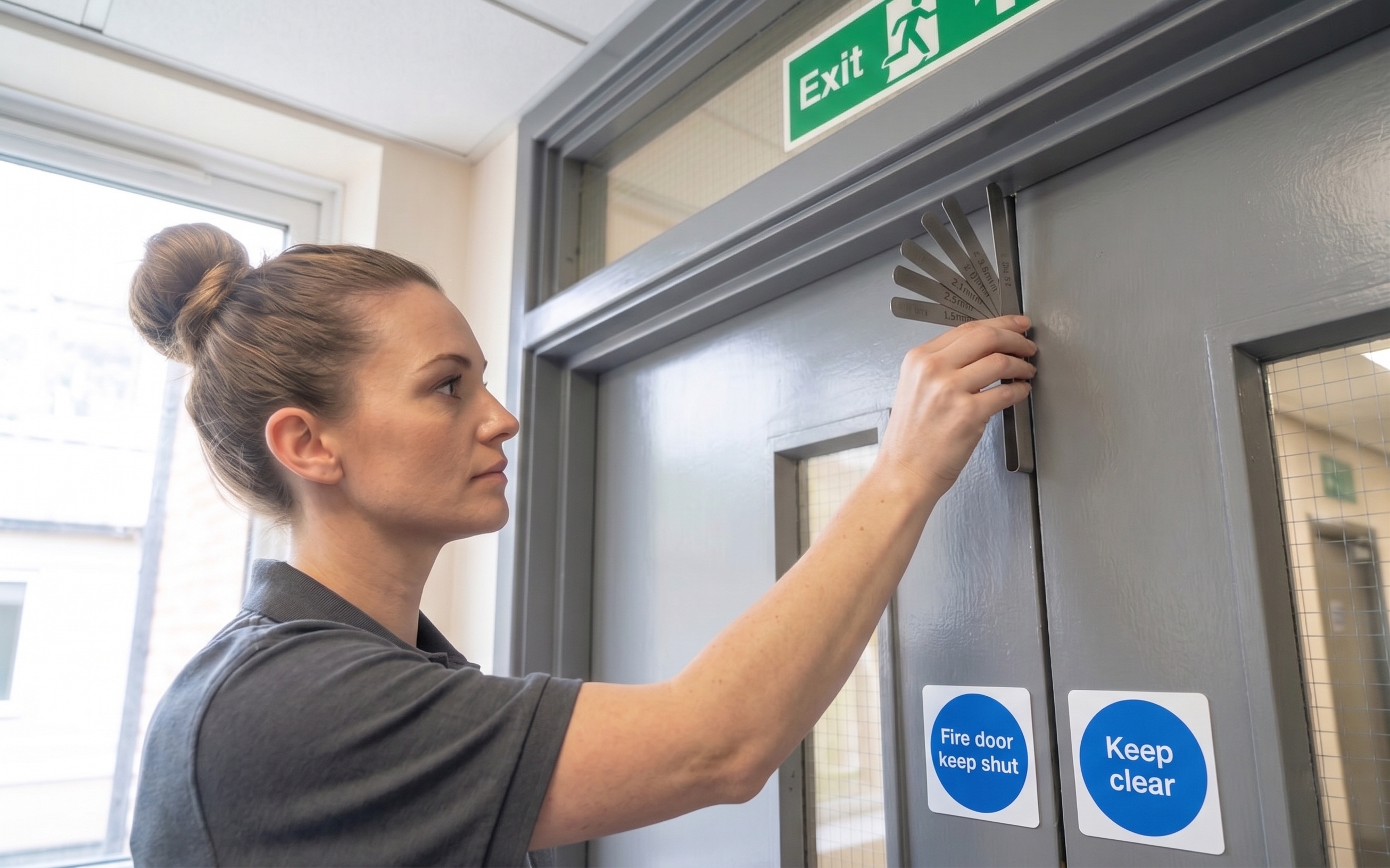
Gap tolerance
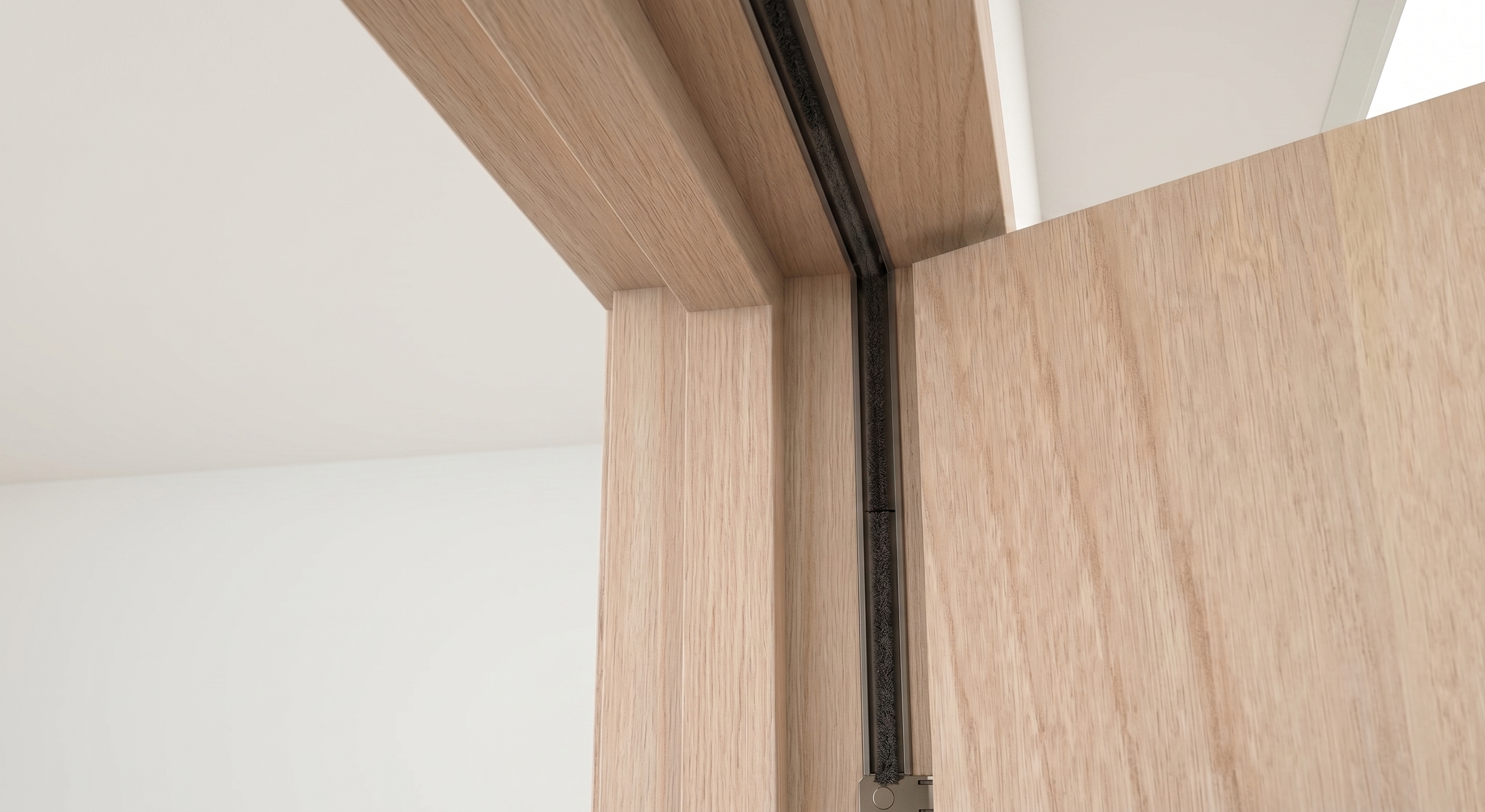
Intumescent seals
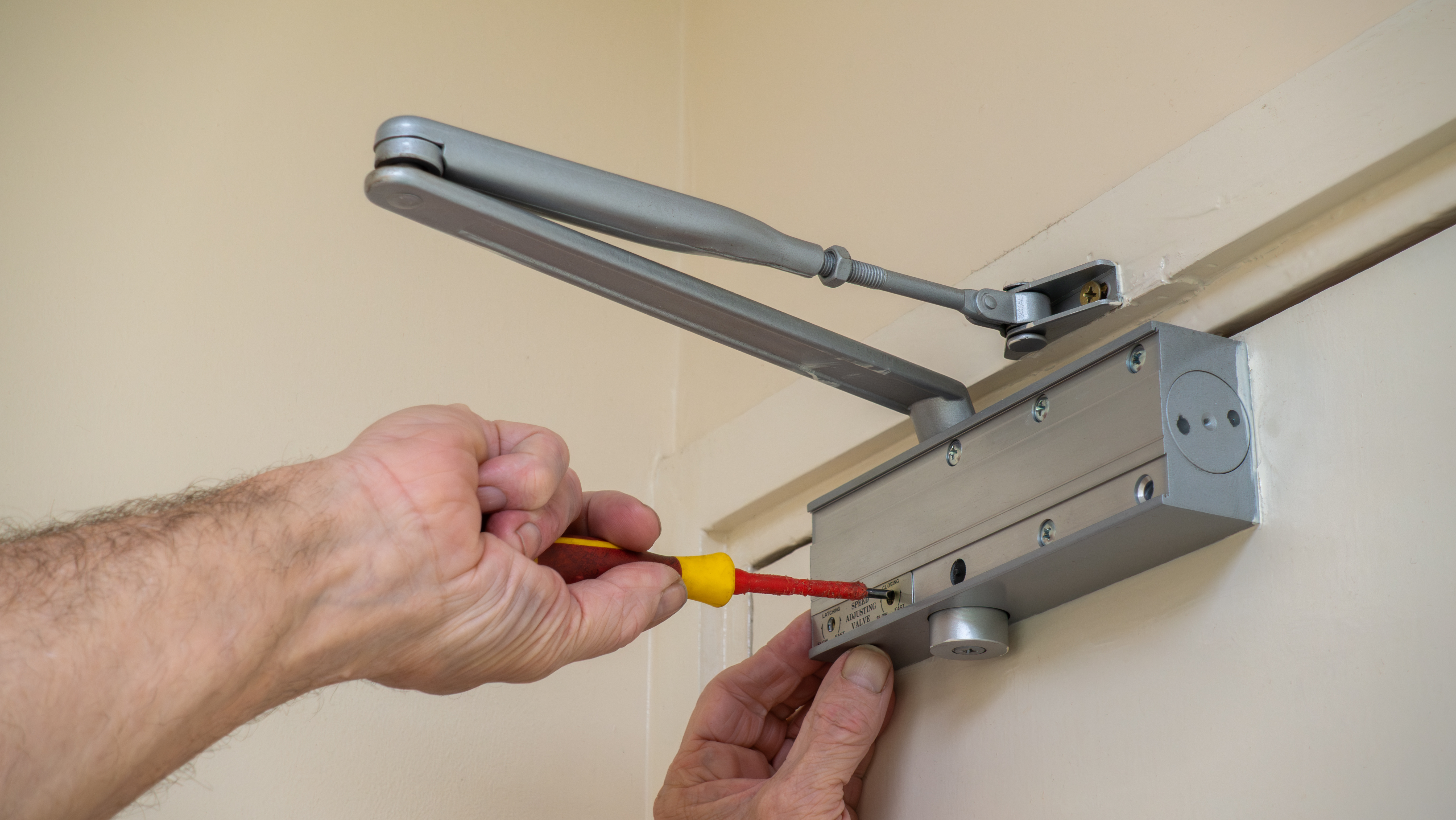
Closer function
How Scottish standards describe a fire door
Scottish building standards do not use the FD30 and FD60 labels the trade uses. They describe how long a door holds back fire as a short, medium or long fire resistance duration. These are the same thing, written differently.
- Trade term
- FD30
- Scottish standard
- Short fire resistance duration
- European classification
- E 30 Sa
- Meaning
- 30 minutes of integrity, plus a smoke seal requirement
Where we work
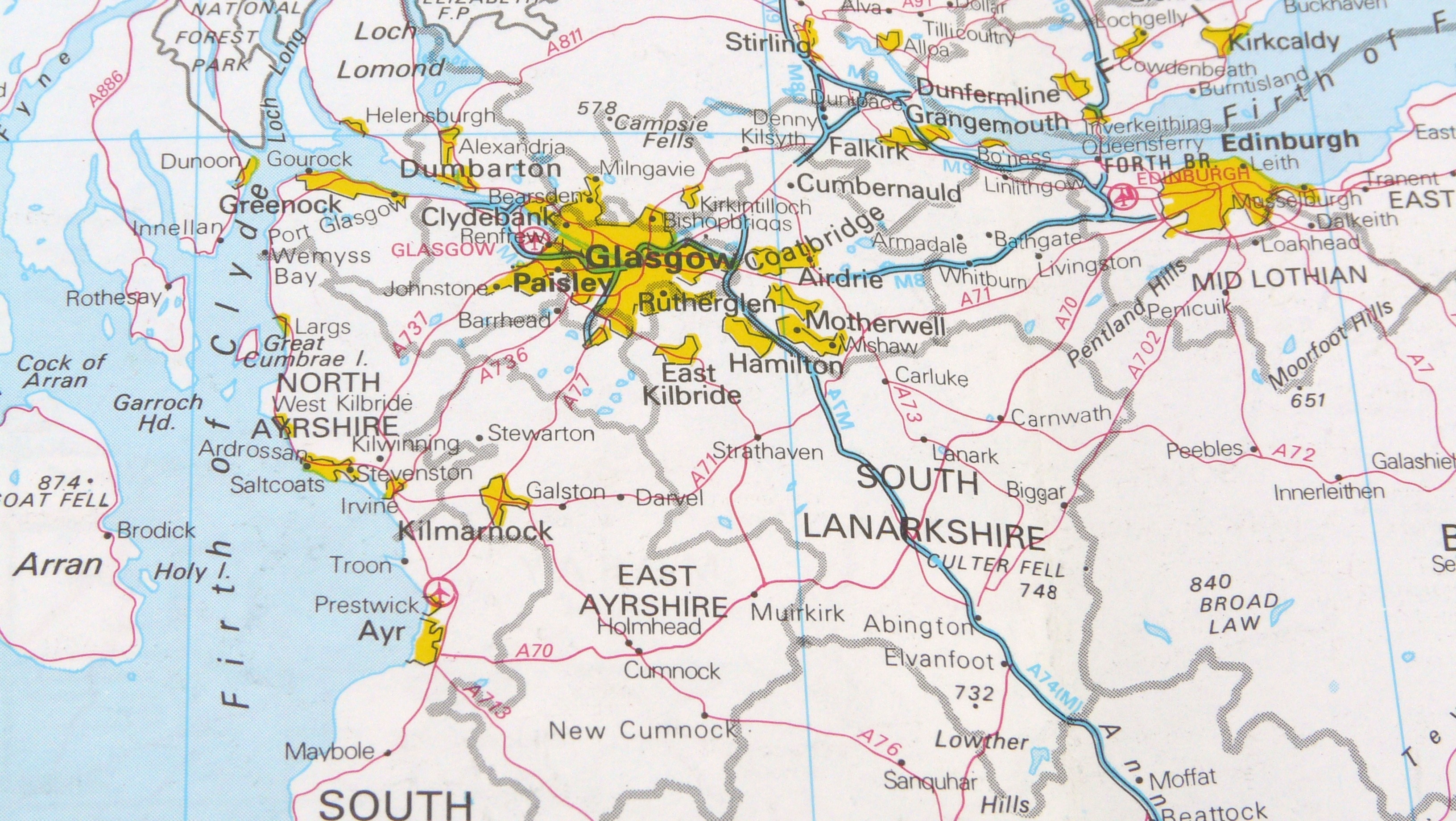
Falkirk, Cumbernauld, Larbert, Alloa, Linlithgow and Bathgate.
What happens next
Tell us about the building
Property type, rough door numbers and what prompted the enquiry.
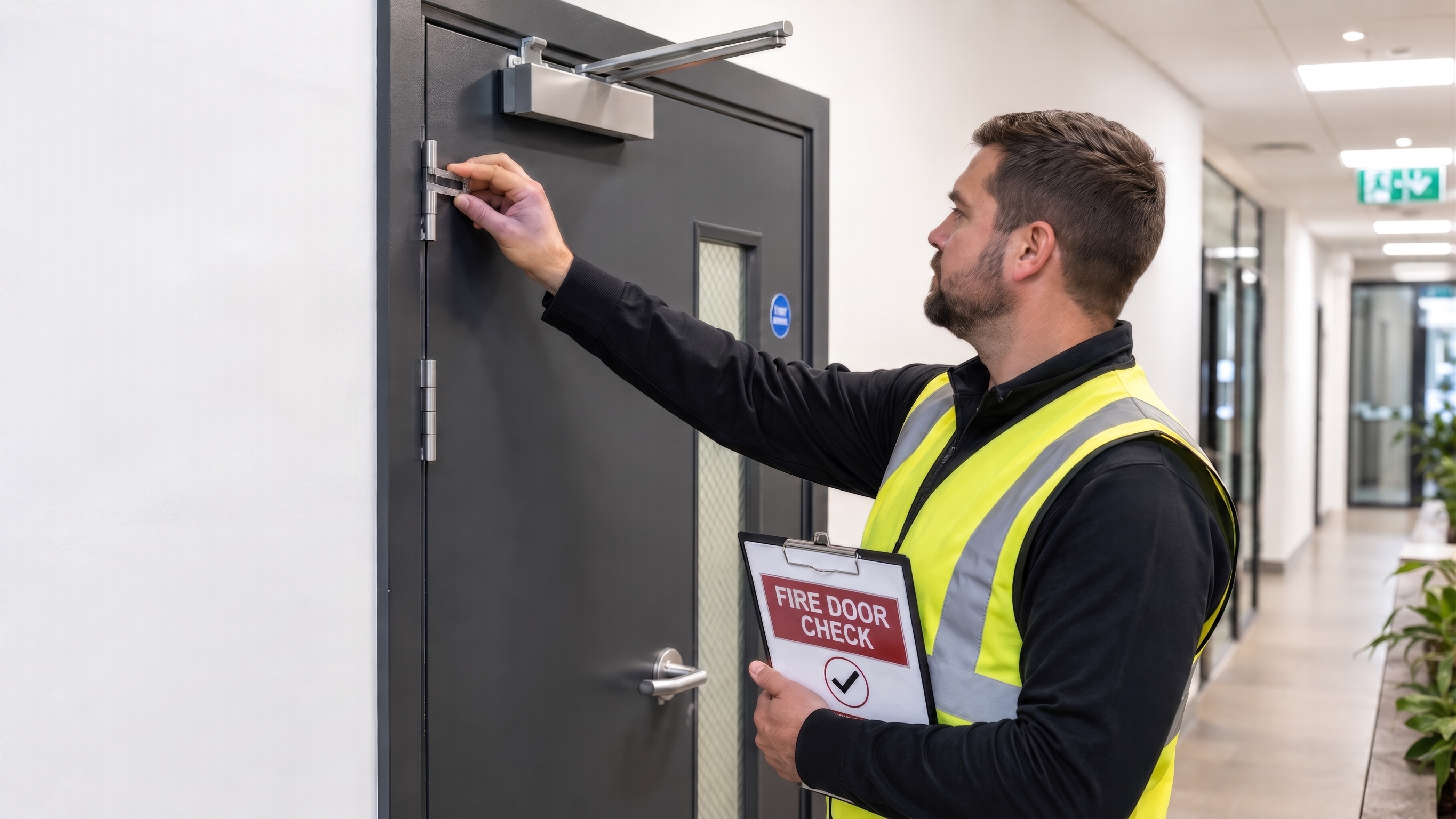
We inspect and report
A written record of every door, its condition, and what needs doing.
We put it right
Remedial work, replacement or a maintenance schedule, as required.
Common questions
There is no fixed national frequency set in Scottish law. The interval comes from your fire risk assessment and depends on the building type, its use and the level of traffic the doors see. Higher risk premises and communal areas in shared residential buildings are generally checked more often.